
What Is a Mortise Lock and Why Do Vancouver's Older Homes Rely on Them?
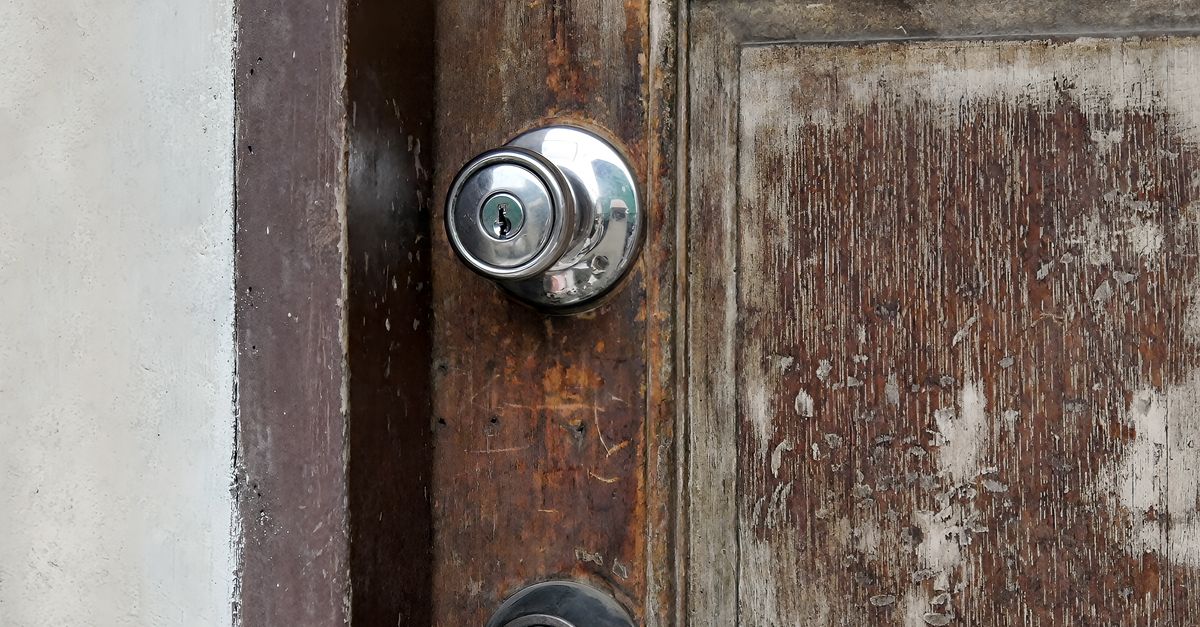
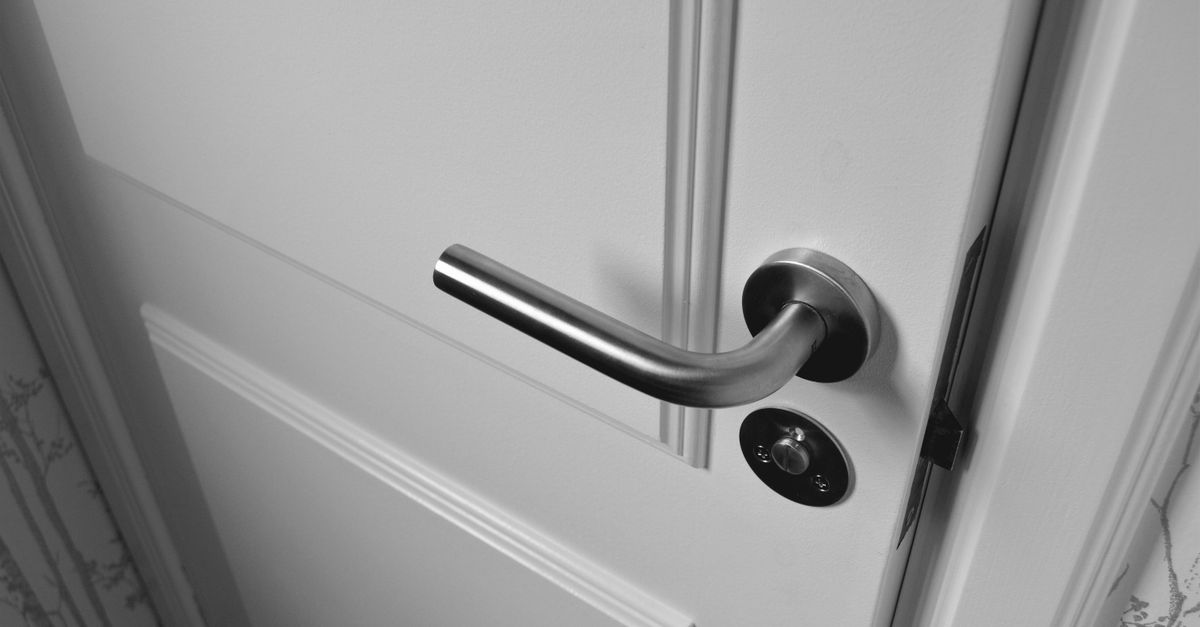
A mortise lock is a complete locking mechanism — latch bolt, deadbolt, and often a privacy or passage function — housed inside a single steel or brass case that is mortised, or recessed, into a pocket cut into the door's edge. Unlike a cylindrical lock that bores one hole through the face of the door, a mortise lock set requires a long, deep rectangular cavity running almost the full height of the lock stile. That construction made mortise hardware the standard from roughly the 1880s through the mid-1950s, which maps almost perfectly onto Vancouver's period of fastest residential growth. Streets like Officers Row and the Esther Short neighborhood are lined with homes that have never had their original door hardware swapped out — and for good reason. Properly maintained, a mortise lock is extraordinarily durable and offers multi-point engagement that most modern cylindrical locks simply can't match.
The trade-off is complexity. The internal components — cams, levers, springs, and the mortise lock cylinder itself — are precision-fitted, and when one part wears or breaks, the whole mechanism can become unusable. Homeowners sometimes assume the door is swollen or the frame has shifted when the real culprit is a fatigued spring or a worn cam follower inside the case. That's a diagnosis that requires pulling the case, inspecting each component, and either sourcing a matching replacement part or machining a substitute — work that should be handled by a qualified locksmith who regularly works on period hardware, not a general handyman.