A1 Vancouver Locksmiths Service Team
Local locksmith team
Sep 4, 2026 10 min read
You just got the keys to your new place — congratulations. Whether you're moving into a craftsman bungalow near Esther Short Park or a rental apartment off Fourth Plain Boulevard, one of the smartest first moves you can make has nothing to do with unpacking boxes. It's securing your doors. The previous owners, former tenants, their contractors, their relatives — you have no way of knowing how many copies of your key are floating around Vancouver, WA right now. The good news: you don't always need to buy brand-new hardware to fix that.
Understanding when to rekey a lock versus when to fully replace it can save you time, money, and a lot of unnecessary stress. This guide walks you through both options honestly, explains what each process actually involves, and helps you make a confident decision for your specific situation — whether you're dealing with a standard door knob lock, a heavy-duty mortise lock, or a commercial-grade deadbolt on a business space.
## What Does It Mean to Rekey a Lock — and How Does It Work?
When a locksmith rekeys a lock, they open the lock cylinder and replace the small internal pins — called key pins and driver pins — with a new set sized to match a brand-new key. The lock hardware itself stays exactly where it is on your door. The old key simply stops working. It's one of the most cost-effective security upgrades available, and it's often the right call when the locks on your doors are in good physical condition but you can't account for every key that was ever cut from the original. Rekeying is also how a locksmith synchronizes multiple locks to work with one key — a process sometimes called rekeying a lock to match an existing key — so you're not juggling five different keys for your front door, back door, and garage entry.
The actual process of rekeying a lock cylinder requires a plug follower tool, a key decoder, and a set of replacement pins in various sizes. A trained locksmith can typically rekey a standard residential deadbolt or door knob lock in under 15 minutes. It's precise work that depends on correctly reading the existing key's bitting code and selecting matching pin heights — not something that goes well with a YouTube tutorial and a shaky hand. If you're wondering how to rekey a lock yourself, the honest answer is that the tools are available at hardware stores, but a small mistake — dropping a spring, installing a pin in the wrong chamber — can leave you locked out of your own home.
## Rekey or Replace? A Practical Decision Guide for New Vancouver Homeowners
Rekeying is almost always the right choice when your locks are relatively new, in solid working condition, and the only concern is unknown key copies. This is the scenario for most people buying a previously owned home in neighborhoods like Felida or Lincoln, or signing a lease on a unit where the landlord can't confirm the last tenant returned every key. If the locks are Schlage or Kwikset deadbolts in good shape, a professional rekey is fast, straightforward, and gives you the same security outcome as a full replacement — new keys, no access for anyone holding the old ones.
Full lock replacement makes more sense in a handful of specific situations: the existing locks are worn, sticky, or outdated; you want to upgrade to a higher-security grade (such as switching from a basic door knob lock to a mortise lock); the locks have visible damage from a prior break-in attempt; or you're buying a commercial property and the old hardware simply isn't rated for your security needs. A mortise lock — the style that installs into a deep rectangular pocket cut into the door's edge — offers significantly more resistance to forced entry than most surface-mounted locks and is worth considering for exterior doors on both residential and commercial properties. If you're not sure which category your locks fall into, a quick call to our team is the fastest way to get an honest answer before you commit to anything.
## Mortise Locks, Door Knob Locks, and Choosing the Right Hardware
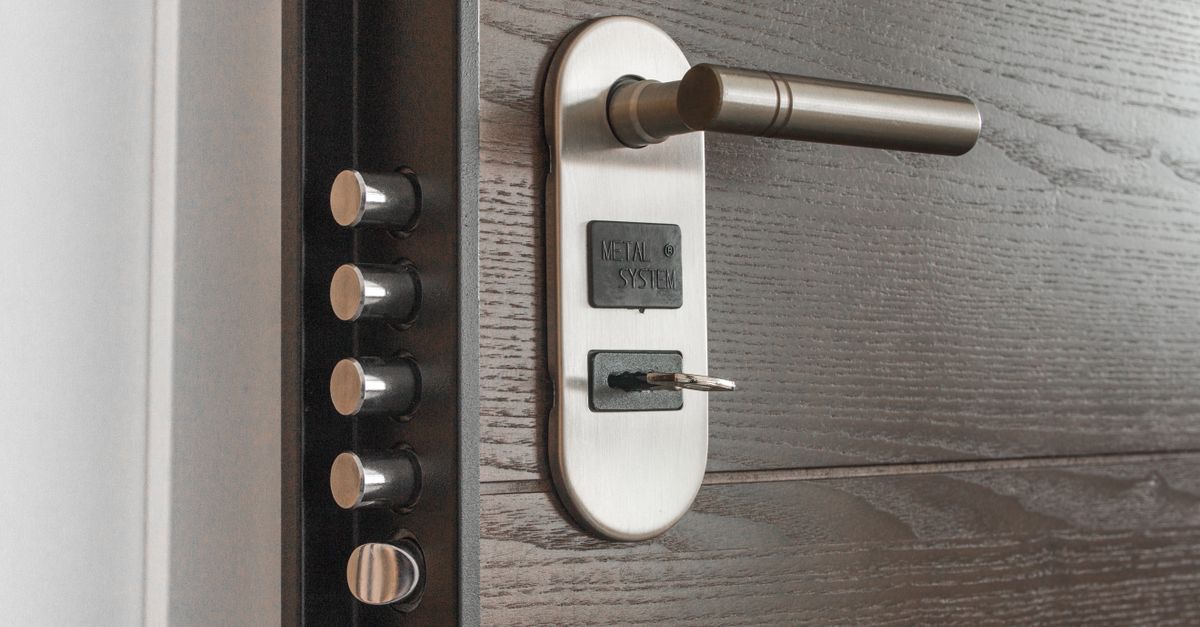
Not all locks are created equal, and the type of hardware already on your doors matters a lot when deciding between a rekey and a full replacement. A standard door knob lock with a basic spring latch offers minimal forced-entry resistance on its own — it should always be paired with a deadbolt. A mortise lock, by contrast, combines a latch bolt and a deadbolt in a single unit that fits into a mortise (pocket) cut into the door itself, anchoring it far more securely into the door frame. Mortise locks are common on older homes in downtown Vancouver and are standard on many commercial doors. When a mortise lock is in good condition, rekeying it is entirely practical — the cylinder can be removed and serviced just like any other. When it's worn or the internal case is damaged, replacement is the right call.
If you're taking over a commercial space along Mill Plain Boulevard or anywhere in the greater Vancouver area, lock assessment becomes even more critical. Commercial doors often have mortise locks, panic bars, or keypad-access hardware with layered security requirements. As experienced commercial locksmiths, our team regularly helps business owners evaluate existing hardware, rekey what's serviceable, and replace what isn't — all as part of a single visit. If you're moving into a commercial property and wondering whether rekeying covers your needs or whether a full hardware upgrade is warranted, that's exactly the kind of question we're set up to answer on-site.
## What Determines the Cost — and How to Get a Fair, Upfront Price
One of the most common questions new homeowners ask is: how much does it cost to change a lock? The honest answer is that the final number depends on several variables — the type of lock (a basic door knob lock rekey differs from rekeying a mortise lock or a high-security cylinder), the number of locks being serviced, the time of day the work is done, travel distance to your location in the Vancouver area, and whether any replacement parts or new hardware are needed. There is no single flat price that applies to every job, and anyone who quotes you a firm number without knowing your specific locks and situation is guessing.
What we do at A1 Vancouver Locksmiths is confirm an exact price before any work begins — no surprises at the end of the job. If it turns out a rekey is all you need, that's what we'll do. If we find worn cylinders or damaged hardware that genuinely warrants replacement, we'll explain exactly why and let you decide. You're never committed to anything until you've agreed to the quote. If you want an estimate ahead of time, call us at (704) 850-6756 and describe your locks — we'll give you the clearest picture we can before we even arrive.
## Local Context: What Vancouver, WA Homeowners Should Know About Their Locks
Vancouver, Washington has a mix of housing stock that reflects its history — Victorian-era homes in the Arnada neighborhood often still have original mortise lock hardware from decades past, while newer construction in areas like Salmon Creek more commonly features modern Kwikset or Schlage deadbolts. Knowing your housing era matters: if you're in an older home and your locks look like they've never been serviced, the internal pins and springs may be corroded or worn regardless of the key situation. A rekey alone may not fully restore smooth, reliable operation in that case — a cylinder service or full replacement might be the better investment. When our locksmiths visit your home, we check the physical condition of the hardware, not just the key situation, before recommending anything.
For renters in Vancouver, WA: Oregon and Washington have different rules around tenant rights and lock changes, and while this article isn't legal advice, it's worth knowing that many landlords here are open to allowing a rekey as long as a copy of the new key is provided. If you're renting and your landlord isn't responsive, document your request in writing and contact a local tenant resource for guidance on your rights. What we can tell you is that from a purely mechanical standpoint, rekeying is the least invasive, fastest route to knowing your home is secured with keys only you control — and that matters wherever you land in the 98660, 98663, or 98686 zip codes. Our team is available around the clock, so whether you're moving in on a Tuesday afternoon or a Saturday night, call (704) 850-6756 and we'll be there.
Frequently asked questions
What does it mean to rekey a lock, and is it as secure as replacing it?+
Rekeying a lock means changing the internal pin configuration inside the lock cylinder so that only a new key will operate it. The old key — and every copy ever made from it — becomes useless. When done correctly on a lock that is in good mechanical condition, rekeying provides the same level of security as installing a brand-new lock of the same model. The hardware, the bolt, the strike plate — all remain exactly as they were. The only thing that changes is which key opens the door. It is a fully legitimate and widely recommended security measure for new homeowners and renters who cannot verify the key history of their property.
How can you hire a vetted locksmith — and what should you actually look for?+
The best way to find a trustworthy locksmith is to call a local company directly, ask about their experience with your specific type of lock, and confirm that they will provide a written quote before any work begins. A professional locksmith should be able to describe the rekeying or replacement process clearly, arrive in a marked vehicle, and carry proof of insurance. Be cautious of anyone who gives a very low estimate over the phone and then claims complications on arrival to justify a much higher charge — that is a known tactic used by fraudulent operators. At A1 Vancouver Locksmiths, we are insured, experienced, and our pricing is confirmed upfront before a single tool comes out. There are no hidden fees and no pressure.
Is there ever a reason to rekey a lock to match an existing key rather than getting a new key?+
Yes — this is actually a very practical service for homeowners who have multiple exterior doors and want them all to work with one key. A skilled locksmith can rekey any compatible locks in your home so that a single master key operates all of them, which is called rekeying to match an existing key. This is especially useful when you have a new front door lock you like and want your back door, garage entry, or secondary deadbolt rekeyed to match it. It requires careful measurement of the existing key's cut depths and precise pin selection inside each cylinder, which is why it is a job best handled by a trained professional rather than attempted as a DIY project.
What is a mortise lock, and does it need special service compared to other locks?+
A mortise lock is a type of lockset that installs inside a rectangular pocket — called a mortise — cut into the edge of the door, rather than sitting on the door's surface. This design integrates the latch and deadbolt into a single internal case, making it inherently more resistant to forced entry than many surface-mounted alternatives. Mortise locks are common on older homes and on commercial doors throughout Vancouver, WA. They can absolutely be rekeyed, but the process is somewhat different from rekeying a standard cylindrical lock — the cylinder must be removed from the case using the correct tools, and the internal mechanism must be properly reassembled afterward. Our locksmiths work with mortise locks regularly, on both residential and commercial properties, so if you have one and are unsure of its condition after moving in, we are well equipped to assess and service it.