A1 Vancouver Locksmiths Service Team
Local locksmith team
Sep 18, 2026 11 min read
Vancouver, WA tends to fly under the radar compared to its famous neighbor across the Columbia River, but locals know it has genuine character — from the historic mansions along Officers Row to the quiet cul-de-sacs of Felida and the busy corridors near Fourth Plain Boulevard. Where you live in Vancouver shapes your day-to-day security picture, and that picture is more nuanced than a simple 'safe vs. unsafe' map. What really determines how protected your home or car feels is less about ZIP code and more about the hardware standing between you and the outside world.
That is where understanding your locks — their parts, their age, and their limitations — becomes genuinely useful. Whether you own a craftsman bungalow in Hough or a newer build in Cascade Park, the right mortise lock, deadbolt, or upgraded door knob lock assembly can make a measurable difference. This guide walks through Vancouver's neighborhoods with an honest safety lens, then gets practical about the lock upgrades that help homeowners feel confident wherever they plant roots.
## Which Part of Vancouver, WA Is Considered the Safest? A Neighborhood-by-Neighborhood Look
Vancouver's safest pockets consistently show up in the northwest and northeast quadrants of the city. Felida, a semi-rural residential area in the northwest near NW 36th Avenue and NW 119th Street, routinely reports low property crime rates and has a tight-knit neighborhood-watch culture. Cascade Park in the east — built up largely in the 1980s and 1990s — benefits from well-lit streets, active homeowner associations, and easy access to law enforcement response corridors on SR-14. Orchard Park and the Meadow Homes area have seen significant reinvestment and resident engagement in recent years, which tends to correlate with declining opportunistic crime. Downtown Vancouver and the Fourth Plain corridor carry higher foot traffic and, with it, higher incidents of vehicle break-ins and residential burglaries — not reasons to avoid living there, but reasons to take hardware seriously.
It is worth noting that no neighborhood is crime-proof. Opportunistic burglars look for easy entry: unlocked doors, worn-out cylinders, hollow-core doors with builder-grade knobs. The difference between a home that gets bypassed and one that gets targeted often comes down to visible deterrents — and a quality mortise lock with a functioning deadbolt throw is one of the most visible deterrents a front door can have. Famous Vancouver, WA natives like actor Robert Cray-adjacent figures and civic leaders have called this city home precisely because of its livable, community-forward character — and that community character is worth protecting with hardware that matches it.
## Understanding the Parts of a Mortise Lock — and Why They Matter for Home Security
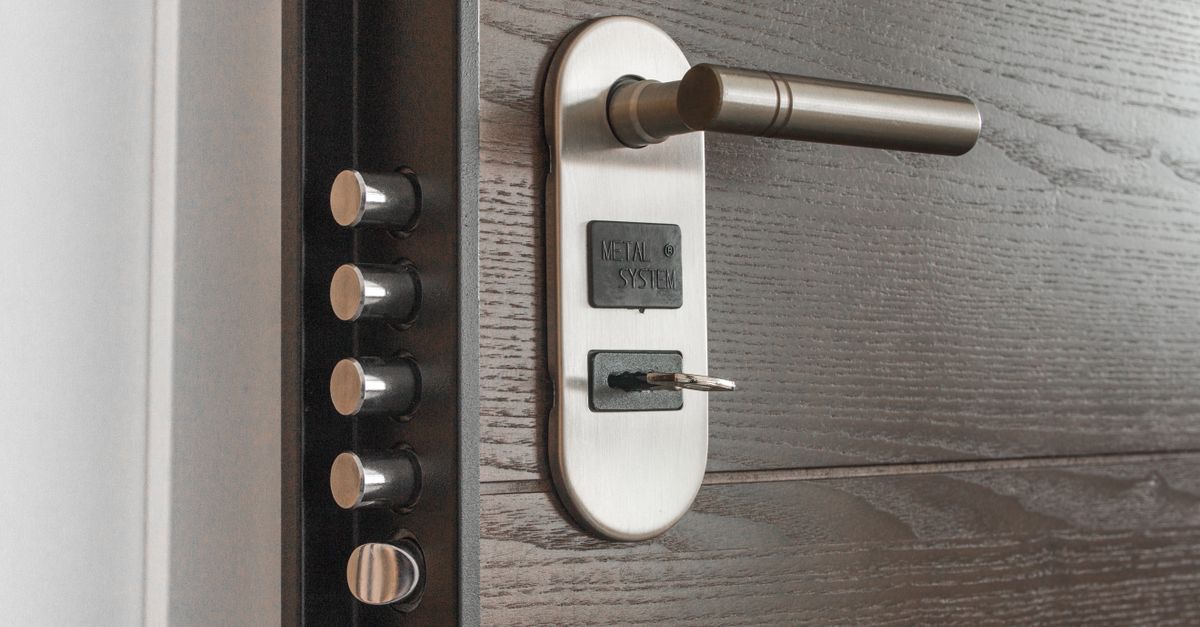
A mortise lock is the gold standard for residential and commercial entry doors, and knowing what makes one tick helps you have an intelligent conversation with any locksmith about upgrades. The main components include the lock body (the rectangular case that mortises, or recesses, into the door edge), the cylinder (the plug where your key enters), the cam (a tail piece that converts key rotation into bolt movement), the deadbolt or latch bolt, the strike plate (the metal plate recessed into the door frame that the bolt extends into), the trim (the decorative outer cover), the escutcheon plate (the face plate that surrounds the cylinder on the door surface), the spindle (a rod connecting interior and exterior handles), and the lever or knob handle set. On higher-end units you will also find an anti-drill plate, anti-pick pins inside the cylinder, and a reinforced steel case body. Each of these parts of a mortise lock has a job, and when any one of them wears out — especially the cylinder or the strike plate — the whole system becomes vulnerable.
When our team assesses a door, we check all of these components together rather than just swapping out the most visible piece. A builder-grade strike plate held in by half-inch screws, for instance, can be defeated by a single kick regardless of how expensive the lock body is. Upgrading to a heavy-gauge strike plate with three-inch screws into the stud behind the frame is one of the highest-value, lowest-profile improvements you can make. If you are in a neighborhood like Hough or McLoughlin, where older homes frequently have original 1950s-era hardware, a full mortise lock replacement — new body, new cylinder, new strike — is often the smartest single investment. Call (704) 850-6756 and one of our trained technicians can assess your current setup and walk you through exactly what needs attention before any work begins.
## Door Knob Lock Parts, Rim Locks, and the Hardware Language Every Homeowner Should Know
Not every door has a mortise lock, and that is fine — but homeowners should understand what they do have. A standard door knob lock is made up of the outer knob, the inner knob, the rose (the circular plate against the door face), the spindle, the latch bolt, the latch face plate, the strike plate, and the spring mechanism inside the knob body. Knowing the parts of a door knob lock helps you describe a problem accurately — for example, a sticky latch is usually a spring or alignment issue, while a key that turns but does not retract the bolt often points to a worn cam or a misaligned latch face plate. Knob locks are common on interior doors and secondary entries, but relying on one as your only exterior security is a risk, since the knob itself is the leverage point an intruder would use.
A rim lock — common on older Vancouver homes and on some garage side doors — sits on the surface of the door rather than being mortised in. The key parts of a rim lock include the case body (surface-mounted), the deadbolt or nightlatch bolt, the strike or keeper plate (mounted to the door frame face), and the cylinder. Rim locks are simple and repairable, but they are not as robust as a properly installed mortise lock on a reinforced door edge. If you have an older home with original rim locks and you want to understand your options — whether that means repairing what you have, rekeying, or upgrading to a modern mortise system — our team can give you a clear side-by-side picture during an on-site assessment with no obligation to proceed until you have confirmed the exact price upfront.
## What Locksmiths Actually Do — and How a Skilled Locksmith Vancouver Team Protects Your Property
People often assume locksmiths just help you when you are locked out, but the trade goes far deeper than emergency entry. Historically, locksmiths were craftspeople who built locks by hand — cutting key blanks, assembling cylinders, fabricating escutcheon plates, and designing the mechanical tolerances that made a lock pick-resistant. That tradition of precision still defines what a skilled locksmith does today. Modern locksmith services include rekeying (changing the internal pin configuration so old keys no longer work), full lock replacement, master key system design for multi-unit properties, high-security cylinder upgrades with anti-pick and anti-bump features, access control installation, safe servicing, automotive key programming, and emergency lockout response.
For homeowners in Vancouver, the most practically useful services tend to cluster around a few scenarios: moving into a home and not knowing who has copies of the existing keys (rekeying is the right move, not full replacement in most cases), upgrading worn builder-grade hardware before a long vacation, and responding to a break-in or a failed lock after extreme weather. For businesses along Mill Plain Boulevard or near the Westfield Vancouver mall corridor, commercial locksmith work — master key hierarchies, panic bar installation, access control — adds another layer. Our team handles all of these, arriving in a fully stocked mobile unit so we are not making return trips for parts. As a 24/7 mobile locksmith Vancouver operation, we can be on site whether your need is routine or urgent, and we confirm your exact price before any work starts — factors like lock type, time of day, travel distance, and whether parts need to be sourced affect the final quote, and we walk you through all of it transparently.
## Practical Lock Upgrades for Vancouver Homeowners: Getting the Most from Your Security Investment
If you are ready to move from a builder-grade setup to something genuinely protective, here is where to focus your attention. On any exterior door, the combination of a properly installed mortise lock body with a grade-1 deadbolt, a reinforced strike plate with long screws into the stud, and a solid-core door is the foundation. From there, high-security cylinders — Schlage and Kwikset both offer patented keyways that make unauthorized key duplication significantly harder — add another layer without changing how the door looks or operates. For sliding glass doors common in many Cascade Park and Orchard Park homes, a secondary pin lock or a bar lock in the track addresses the weak point that standard latches leave open.
For homeowners who want convenience alongside security, smart lock integration on a mortise or deadbolt chassis lets you track entries and grant temporary access without cutting new keys — useful if you have a house cleaner, a dog walker, or family visiting from out of town. If you are a renter in a Vancouver apartment and your door still has the original knob lock with no deadbolt, you have every right to ask your landlord about an upgrade, and we can advise on tenant-friendly options that do not require permanent modifications. Whatever your starting point, the goal is the same: hardware that works the way it is supposed to, every single time. Call (704) 850-6756 any time of day or night — our team answers 24/7 and will confirm your up-front price before touching a single screw.
Frequently asked questions
Which part of Vancouver, WA is considered the safest for families?+
Felida in the northwest and Cascade Park in the east consistently show lower property crime rates and have active residential communities. That said, safety in any neighborhood is significantly influenced by individual home security — even in quieter areas, outdated locks or hollow-core exterior doors are invitations for opportunistic break-ins. The most effective thing any homeowner can do, regardless of ZIP code, is get their exterior hardware assessed by a trained locksmith and make targeted upgrades where the hardware is worn or undersized.
How much does it cost to change a lock or upgrade to a mortise lock?+
The final price depends on several factors: the type of lock involved (a standard knob lock rekey is a different scope than a full mortise lock replacement), the number of doors, the time of day the work is done, travel distance to your location, and whether any specialty parts need to be sourced. We never quote a single flat figure before understanding your specific situation, because the right answer for a 1970s craftsman in Hough is different from a newer build in Salmon Creek. What we do commit to is confirming your exact price upfront before any work begins — no surprises on the invoice.
How can you hire a vetted locksmith in Vancouver, WA without getting burned?+
The most reliable approach is to contact a local locksmith directly rather than entering your address into a lead-generation form that matches you with whoever is available. Services that ask you to enter your ZIP and get matched with multiple pros are often aggregators that prioritize speed of match over quality of technician. Instead, look for a team with a real local presence, a verifiable business address or service area, and a clear policy of confirming prices before work begins. Ask whether they will verify your ownership or identity before completing a lockout — a responsible locksmith always will. Our team at A1 Vancouver Locksmiths is based in the Vancouver, WA area, arrives in marked vehicles, and asks for identification as standard practice on any lockout call.
Is locksmithing a good side hustle, or is it better left to full-time professionals?+
Locksmithing looks deceptively simple from the outside, but it involves a detailed understanding of mechanical tolerances, pin configurations, and security grading systems — not to mention the legal responsibility that comes with gaining entry to someone's property. Hobbyist-level knowledge is enough to rekey a basic lock in a pinch, but anything involving mortise lock installation, automotive key programming, high-security cylinder fitting, or access control wiring requires the precision that comes from consistent, professional practice. For homeowners, the risk of a DIY lock installation done slightly wrong — a misaligned strike plate, an improperly set deadbolt throw — is that the door looks secure but is not. For anything beyond changing a battery in a smart lock, calling an experienced professional is the straightforward call.